
-
-
-
-
-
-
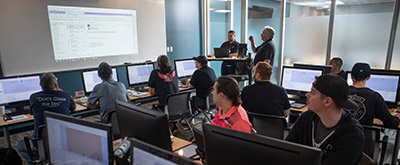
With a customized Stiles University course, we can provide expert training for your team, on-location. Whether it's programming, operation or maintenance, we want to help you train your personnel to meet your production goals efficiently and effectively.
-

Experience the trusted workforce development training and machinery knowledge you rely on from Stiles University, now at your convenience. With technology changing every day and new methods being developed constantly, Stiles University Online has the latest information and training content available at your fingertips.
-
-
-

Do you want to produce more efficiently? Processes and flows are key. We optimize these together with you, re-organize them and make sure that you reduce your lead time and save costs. This enables you to implement customized manufacturing and achieve your business goals.
-
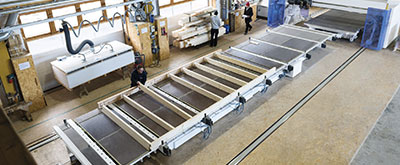
Industrialized construction is evolving. Automation, robotics and advanced technology are raising the level of productivity, efficiency and precision for builders in North America.
-
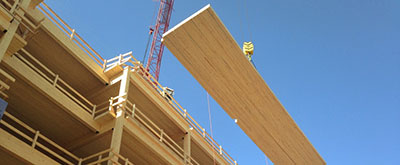
Stiles Machinery is at the forefront of providing technology and machining for producing high quality mass timber. Automated solutions for your mass timber production can increase your manufacturing quality and productivity.
-
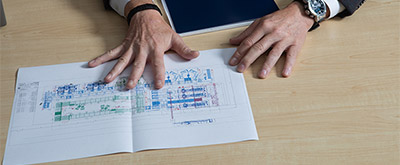
Project management services from Stiles make it easy to streamline your entire project— from concept and consultation to integration and implementation.
-

-
-
-
-
-
-
With a customized Stiles University course, we can provide expert training for your team, on-location. Whether it's programming, operation or maintenance, we want to help you train your personnel to meet your production goals efficiently and effectively.
-
Experience the trusted workforce development training and machinery knowledge you rely on from Stiles University, now at your convenience. With technology changing every day and new methods being developed constantly, Stiles University Online has the latest information and training content available at your fingertips.
-
-
-
Do you want to produce more efficiently? Processes and flows are key. We optimize these together with you, re-organize them and make sure that you reduce your lead time and save costs. This enables you to implement customized manufacturing and achieve your business goals.
-
Industrialized construction is evolving. Automation, robotics and advanced technology are raising the level of productivity, efficiency and precision for builders in North America.
-
Stiles Machinery is at the forefront of providing technology and machining for producing high quality mass timber. Automated solutions for your mass timber production can increase your manufacturing quality and productivity.
-
Project management services from Stiles make it easy to streamline your entire project— from concept and consultation to integration and implementation.
-
How to Use RFID Tags for Asset Tracking
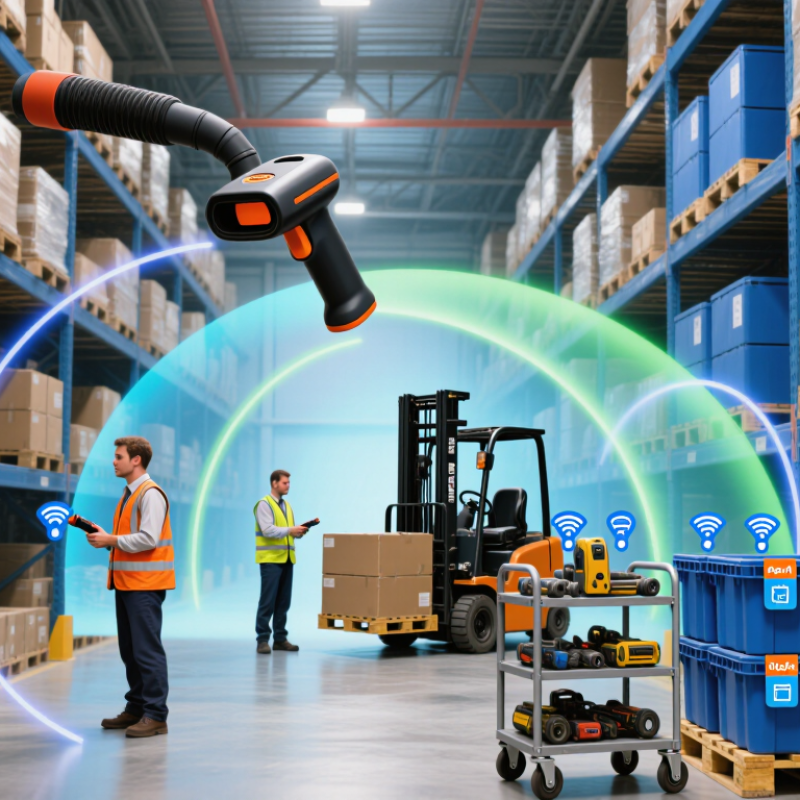
Tracking equipment across a warehouse can feel simple until a pallet disappears behind three storage rows. Rfid Tags For Asset Tracking create a digital trail for tools, inventory, vehicles, and returnable containers. Each tag stores an identifier, while fixed or handheld readers capture movement without direct line-of-sight scanning. This can reduce manual searches and improve inventory accuracy when the system is designed carefully.
A practical deployment begins with the asset, not the reader. Record its material, size, location, and expected movement. Metal surfaces and liquid-filled containers may weaken signals, so tag selection and placement require testing. A rugged tag on a steel cart may need a spacer or specialized mounting surface. Small details matter.
Readers need sensible coverage. Too many devices can create duplicate events, while weak coverage leaves silent gaps. Integrating RFID data with an asset management platform also helps teams view ownership, maintenance dates, and last-seen locations. The strongest results usually come from pilot testing, clear operating procedures, and regular audits.
RFID is not magic.
In practice, tags can detach, readers can miss signals, and databases can contain outdated records. I have found that a short pilot in one storage zone often reveals more than a large theoretical rollout. Teams should measure read accuracy, search time, installation effort, and staff acceptance before expanding. Independent standards, vendor documentation, and documented test results can support trustworthy decisions. The goal is not merely to scan more assets. It is to create reliable, explainable information that helps people manage physical resources with fewer delays and fewer avoidable errors.
What RFID Asset Tracking Is and How It Works
How to Use RFID Tags for Asset Tracking
What RFID Asset Tracking Is and How It Works
RFID asset tracking uses small electronic tags to identify and locate physical items. Each tag stores a unique identifier linked to an asset record. A reader sends radio signals to the tag. The tag then returns its identifier to the reader. Software records the event, time, and reading location.
Passive tags use energy from the reader’s signal. They are suitable for tools, containers, equipment, and boxed inventory. Active tags contain batteries and can transmit across longer distances. Their higher cost requires careful planning. A practical setup places readers at entrances, storage zones, or workstations. When an asset passes a reader, the system updates its movement history. Staff can then check whether equipment is available, misplaced, or due for inspection.
Placement matters greatly. Metal surfaces and liquids can weaken RFID performance. Testing several tag positions is essential. Do not trust a single successful scan. A warehouse trial may work well near a doorway but fail beside dense shelving. I have seen teams blame the software when the real problem was poor tag attachment. Records also need regular maintenance. If an asset changes location, its digital record must change too.
RFID is not magic.
Reliable tracking depends on readable tags, calibrated readers, accurate asset data, and trained users. Teams should test realistic conditions before expanding the system. They should also define who can edit records and how exceptions are handled. A missed scan is not always a technical failure; sometimes a worker carried the item outside the reading zone. That detail deserves investigation.