
-
-
-
-
-
-

With a customized Stiles University course, we can provide expert training for your team, on-location. Whether it's programming, operation or maintenance, we want to help you train your personnel to meet your production goals efficiently and effectively.
-

Experience the trusted workforce development training and machinery knowledge you rely on from Stiles University, now at your convenience. With technology changing every day and new methods being developed constantly, Stiles University Online has the latest information and training content available at your fingertips.
-
-
-

Do you want to produce more efficiently? Processes and flows are key. We optimize these together with you, re-organize them and make sure that you reduce your lead time and save costs. This enables you to implement customized manufacturing and achieve your business goals.
-
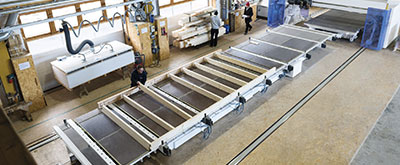
Industrialized construction is evolving. Automation, robotics and advanced technology are raising the level of productivity, efficiency and precision for builders in North America.
-

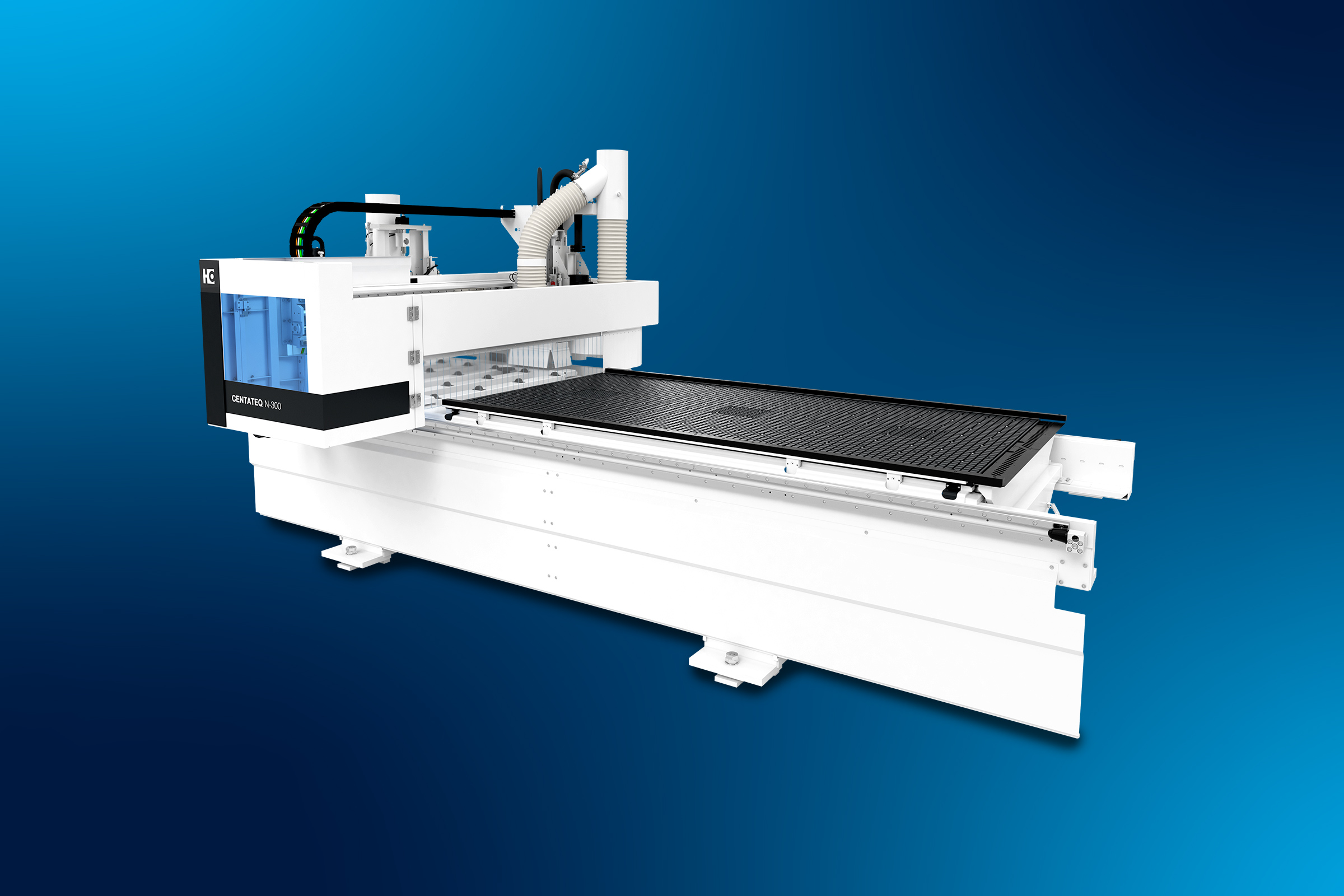
Stiles Machinery is at the forefront of providing technology and machining for producing high quality mass timber. Automated solutions for your mass timber production can increase your manufacturing quality and productivity.
-

Project management services from Stiles make it easy to streamline your entire project— from concept and consultation to integration and implementation.
-


-
-
-
-
-
-
With a customized Stiles University course, we can provide expert training for your team, on-location. Whether it's programming, operation or maintenance, we want to help you train your personnel to meet your production goals efficiently and effectively.
-
Experience the trusted workforce development training and machinery knowledge you rely on from Stiles University, now at your convenience. With technology changing every day and new methods being developed constantly, Stiles University Online has the latest information and training content available at your fingertips.
-
-
-
Do you want to produce more efficiently? Processes and flows are key. We optimize these together with you, re-organize them and make sure that you reduce your lead time and save costs. This enables you to implement customized manufacturing and achieve your business goals.
-
Industrialized construction is evolving. Automation, robotics and advanced technology are raising the level of productivity, efficiency and precision for builders in North America.
-
Stiles Machinery is at the forefront of providing technology and machining for producing high quality mass timber. Automated solutions for your mass timber production can increase your manufacturing quality and productivity.
-
Project management services from Stiles make it easy to streamline your entire project— from concept and consultation to integration and implementation.
-
Top 10 CNC Machine Types You Need to Know for Precision Machining
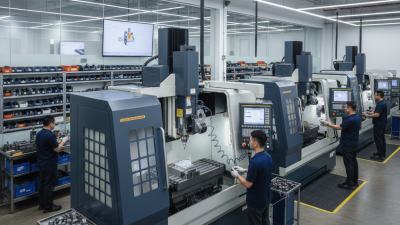
In the realm of precision machining, understanding the various types of CNC (Computer Numerical Control) machines is crucial for achieving optimal results. According to a report by MarketsandMarkets, the CNC machine market is projected to reach USD 117.18 billion by 2026, highlighting the growing importance of automated manufacturing technologies across various industries. As industries increasingly embrace automation, the demand for precise and efficient machining solutions continues to rise, underscoring the need for professionals to familiarize themselves with different CNC machine types.
Experts in the field, like Dr. Mike Johnson, a leading researcher in CNC technology, emphasize the critical role of these machines in modern manufacturing. Dr. Johnson states, “CNC machines not only enhance productivity but also ensure precision in every aspect of machining processes.” This sentiment reflects the industry’s shift towards more sophisticated and versatile equipment, allowing machinists to execute intricate designs with unparalleled accuracy. As we explore the top 10 CNC machine types, it becomes evident that each type offers unique advantages, enabling manufacturers to push the boundaries of innovation and efficiency.
Types of CNC Machines and Their Applications in Precision Machining

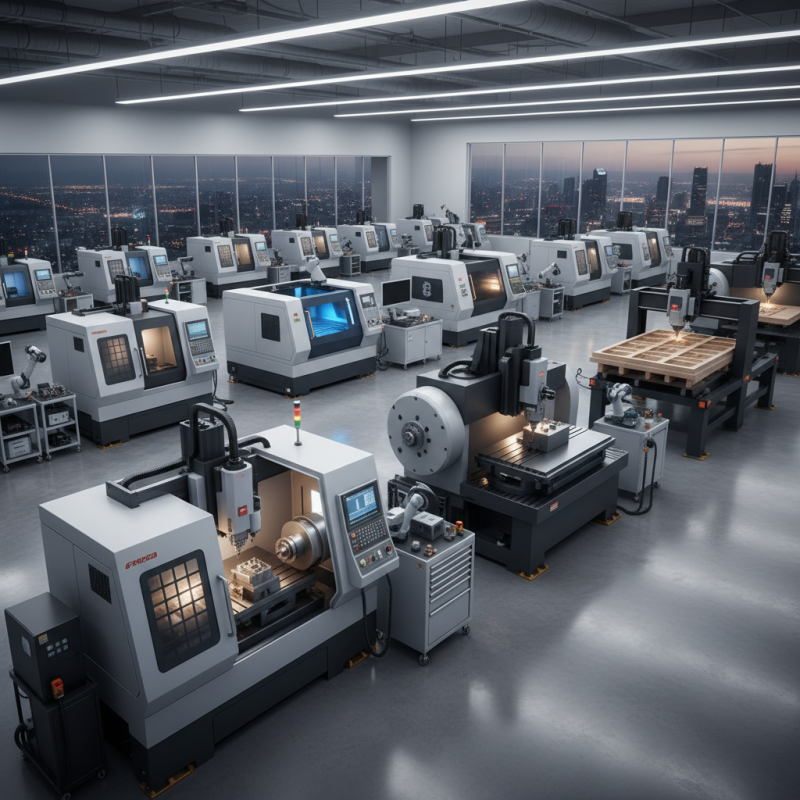
CNC (Computer Numerical Control) machines are instrumental in the realm of precision machining, offering a level of accuracy and repeatability that traditional machining methods struggle to match. Among the various types of CNC machines, CNC mills, lathes, and routers are the most prevalent. CNC mills utilize rotary cutters to remove material, allowing for complex shapes and detailed designs. According to a report by Mordor Intelligence, the global CNC machining market is projected to grow at a CAGR of 6.2% from 2021 to 2026, driven by the increasing demand for precision machined components across various industries, including aerospace and automotive.
Another vital machine type is the CNC lathe, which is used primarily for cylindrical parts by rotating the workpiece against a cutting tool. The use of CNC lathes has surged due to their efficiency in producing components with tight tolerances, essential in sectors such as medical device manufacturing, where even minor deviations can lead to significant issues. Additionally, CNC routers have gained popularity in woodworking and plastics applications, offering the ability to engrave, cut, and shape materials with high precision. The adoption of CNC routers in industries is expected to witness substantial growth as advancements in technology reduce operational costs and enhance production speeds, making them an attractive option for businesses looking to optimize their manufacturing processes.

Related Posts
-
Exploring the Amazing World of CNC Routers for DIY Enthusiasts
-
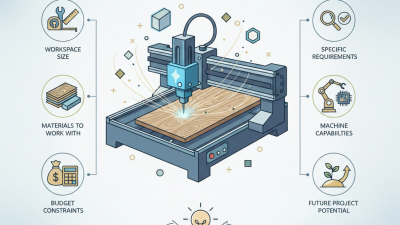
10 Essential Tips for Choosing the Right CNC Router for Your Projects
-
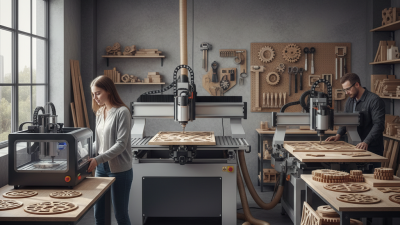
Best CNC Router Machine for Beginners and Professionals in 2023
-
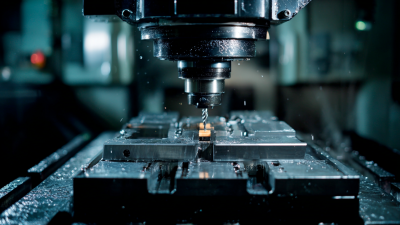
Exploring the Future of Manufacturing: How CNC Machines are Revolutionizing Production Techniques
-
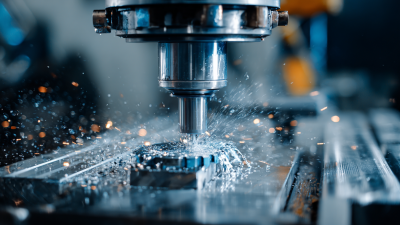
The Future of Manufacturing How CNC Machining Parts Revolutionize Production Processes
-
10 Essential Tips for Maximizing Efficiency with Your CNC Mill