
-
-
-
-
-
-

With a customized Stiles University course, we can provide expert training for your team, on-location. Whether it's programming, operation or maintenance, we want to help you train your personnel to meet your production goals efficiently and effectively.
-

Experience the trusted workforce development training and machinery knowledge you rely on from Stiles University, now at your convenience. With technology changing every day and new methods being developed constantly, Stiles University Online has the latest information and training content available at your fingertips.
-
-
-

Do you want to produce more efficiently? Processes and flows are key. We optimize these together with you, re-organize them and make sure that you reduce your lead time and save costs. This enables you to implement customized manufacturing and achieve your business goals.
-
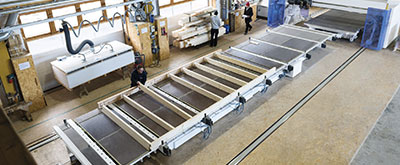
Industrialized construction is evolving. Automation, robotics and advanced technology are raising the level of productivity, efficiency and precision for builders in North America.
-

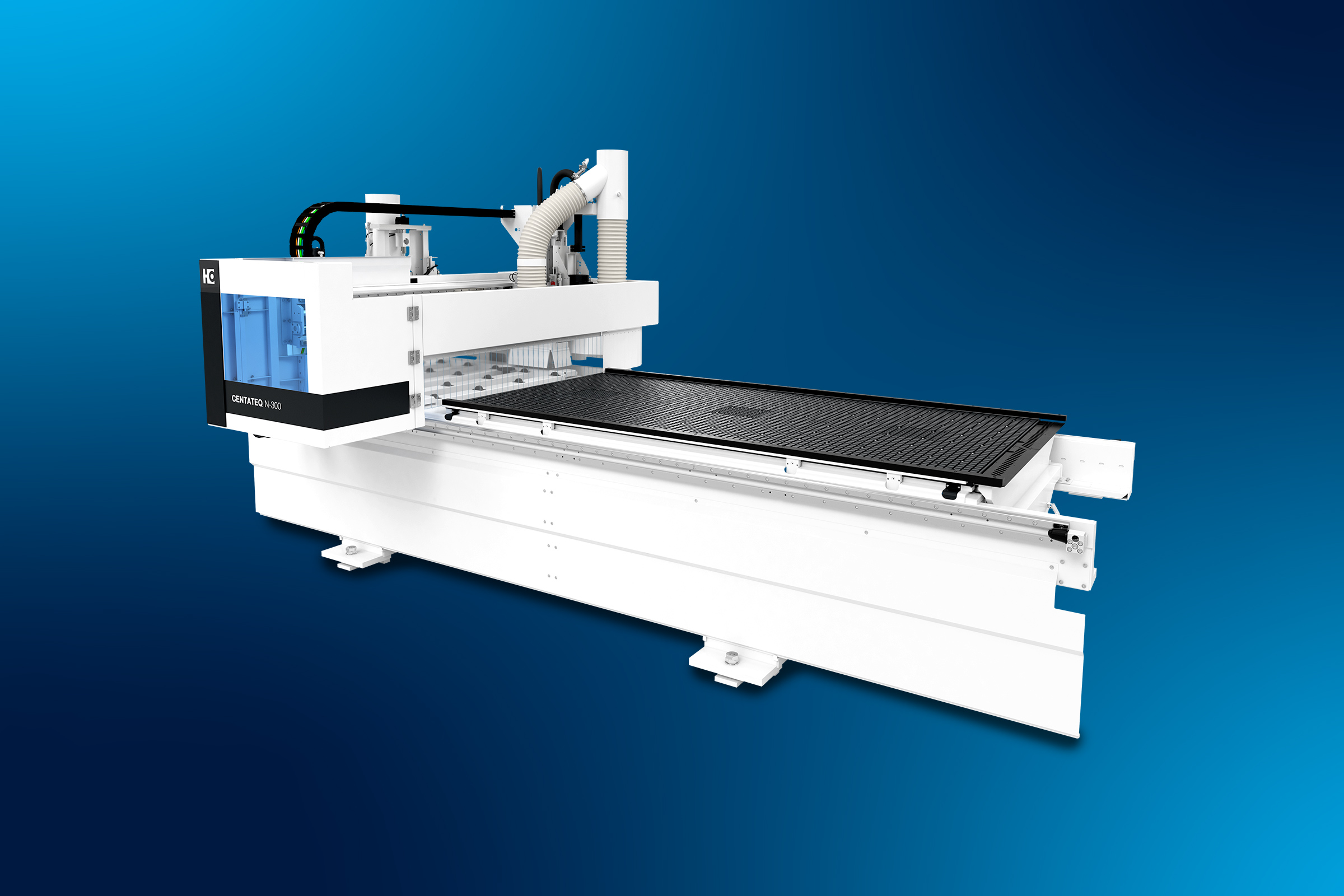
Stiles Machinery is at the forefront of providing technology and machining for producing high quality mass timber. Automated solutions for your mass timber production can increase your manufacturing quality and productivity.
-

Project management services from Stiles make it easy to streamline your entire project— from concept and consultation to integration and implementation.
-


-
-
-
-
-
-
With a customized Stiles University course, we can provide expert training for your team, on-location. Whether it's programming, operation or maintenance, we want to help you train your personnel to meet your production goals efficiently and effectively.
-
Experience the trusted workforce development training and machinery knowledge you rely on from Stiles University, now at your convenience. With technology changing every day and new methods being developed constantly, Stiles University Online has the latest information and training content available at your fingertips.
-
-
-
Do you want to produce more efficiently? Processes and flows are key. We optimize these together with you, re-organize them and make sure that you reduce your lead time and save costs. This enables you to implement customized manufacturing and achieve your business goals.
-
Industrialized construction is evolving. Automation, robotics and advanced technology are raising the level of productivity, efficiency and precision for builders in North America.
-
Stiles Machinery is at the forefront of providing technology and machining for producing high quality mass timber. Automated solutions for your mass timber production can increase your manufacturing quality and productivity.
-
Project management services from Stiles make it easy to streamline your entire project— from concept and consultation to integration and implementation.
-
2026 How to Choose the Right CNC Mill for Your Workshop Needs?
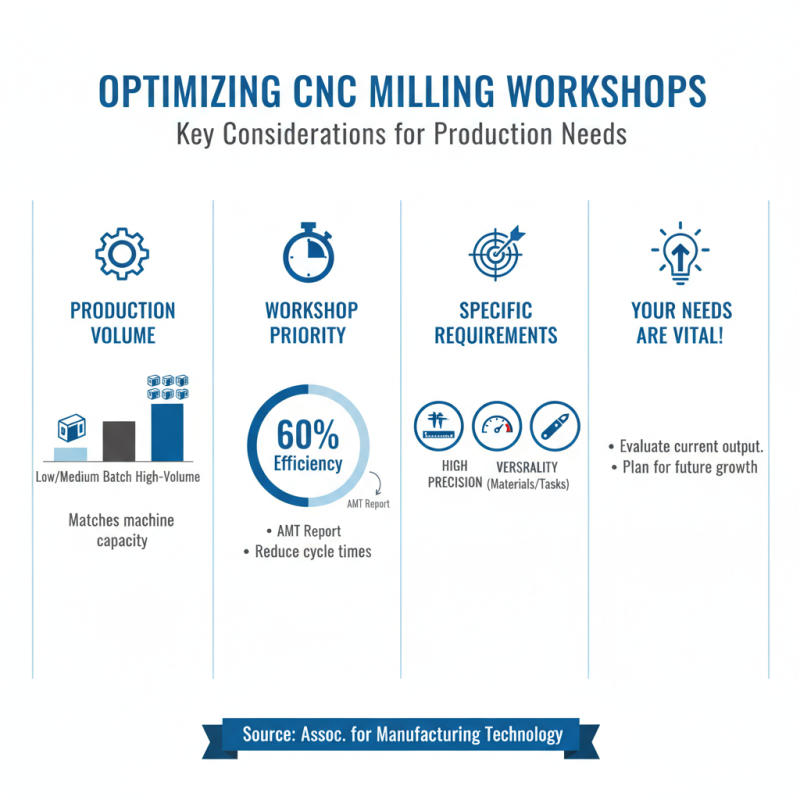
Choosing the right CNC mill for your workshop can greatly impact your projects. An expert in the field, John Smith, emphasizes, "A CNC mill is a vital investment for precision machining." Understanding your specific needs is crucial.
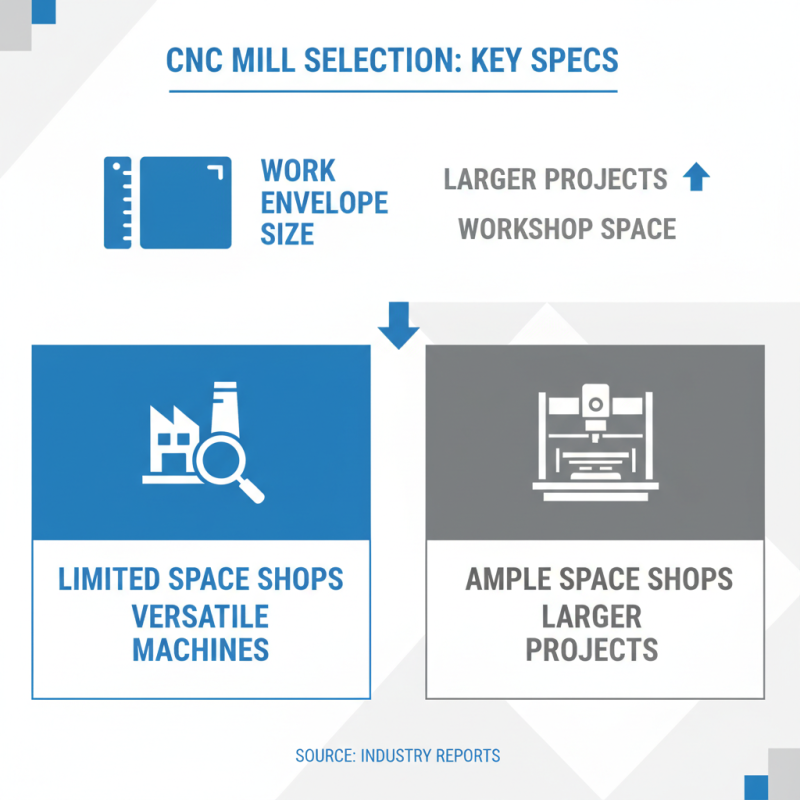
CNC mills come in various sizes and configurations. Factors such as material type and desired precision affect your choice. It’s essential to evaluate these elements carefully. For smaller shops, a compact CNC mill may suffice. However, larger operations might require more robust models.
Reflecting on your workshop's capabilities is necessary. Consider training needs and equipment maintenance. Investing in a CNC mill isn't just about the machine itself. It's about the potential it unlocks for your craft. Thoughtful consideration leads to better decisions.
Understanding CNC Milling: Core Concepts and Applications
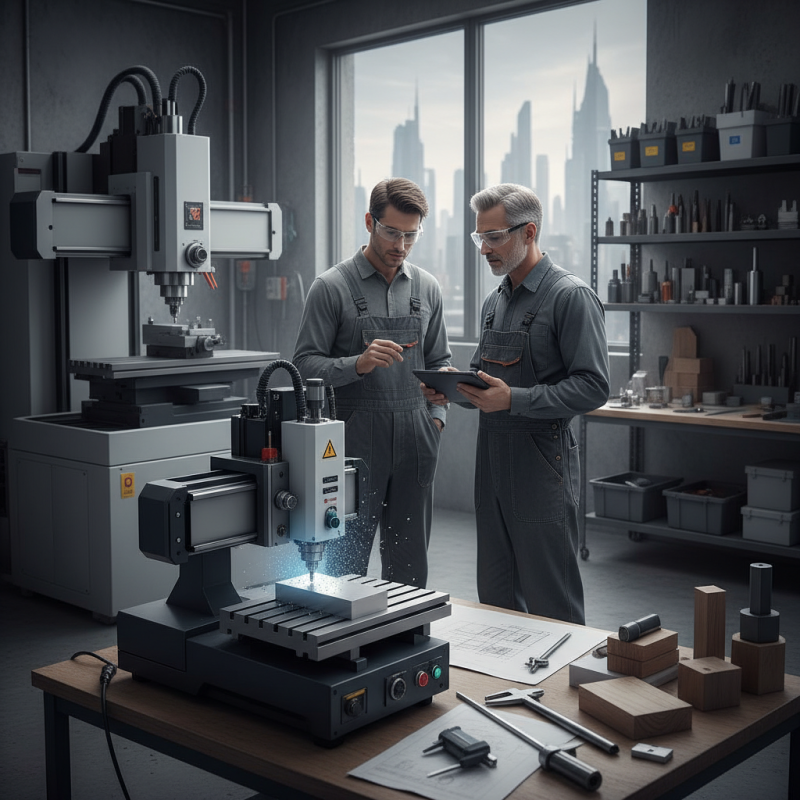
CNC milling is a vital process in modern machining. It allows for precision shaping of various materials. Understanding its core concepts helps in choosing the right machine. CNC stands for Computer Numerical Control. It automates the milling process, making it more efficient.
When considering CNC milling, think about the materials you'll work with. Aluminum, steel, and plastic each require different settings. Evaluate the sizes of parts you intend to mill. Larger parts may require a robust CNC mill. Also, consider the complexity of the designs you want to create. Some mills are better suited for intricate tasks than others.
**Tips:** Always review the machine's specifications. Ensure it meets your workshop's needs. Test your designs on a smaller scale. This can prevent costly mistakes. Additionally, ask experienced users for insights. They often have valuable advice on machine performance. Don't overlook the importance of maintenance. Regular checks can extend your machine's life significantly.
2026 How to Choose the Right CNC Mill for Your Workshop Needs?
| Model | Type | X-Axis Travel (mm) | Y-Axis Travel (mm) | Z-Axis Travel (mm) | Spindle Speed (RPM) | Price (USD) |
|---|---|---|---|---|---|---|
| CNC Mill A | Vertical | 600 | 400 | 300 | 10000 | 5000 |
| CNC Mill B | Horizontal | 800 | 500 | 400 | 12000 | 8000 |
| CNC Mill C | Benchtop | 400 | 300 | 200 | 8000 | 2500 |
| CNC Mill D | 5-Axis | 700 | 500 | 400 | 15000 | 15000 |
Related Posts
-
Top 10 Small CNC Machines for Precision Engineering in 2023
-
Top 5 CNC Router Kits for Precision Crafting and DIY Projects
-
Top 5 CNC Router Kits for Ultimate Precision and DIY Projects in 2023
-
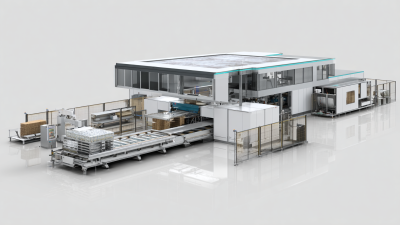
Revolutionizing Furniture Manufacturing: How Edge Banding Machines Enhance Production Efficiency
-
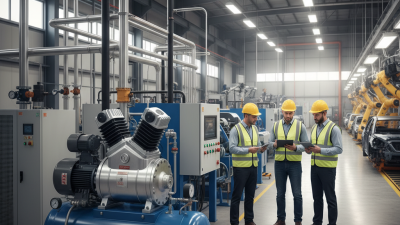
Essential Tips for Choosing the Right Rotary Screw Compressor for Your Needs
-
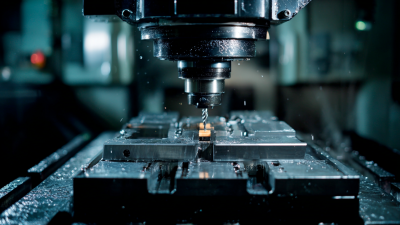
Exploring the Future of Manufacturing: How CNC Machines are Revolutionizing Production Techniques