
-
-
-
-
-
-
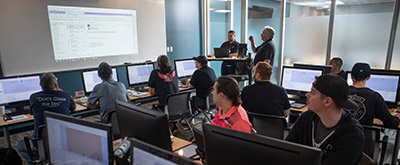
With a customized Stiles University course, we can provide expert training for your team, on-location. Whether it's programming, operation or maintenance, we want to help you train your personnel to meet your production goals efficiently and effectively.
-

Experience the trusted workforce development training and machinery knowledge you rely on from Stiles University, now at your convenience. With technology changing every day and new methods being developed constantly, Stiles University Online has the latest information and training content available at your fingertips.
-
-
-

Do you want to produce more efficiently? Processes and flows are key. We optimize these together with you, re-organize them and make sure that you reduce your lead time and save costs. This enables you to implement customized manufacturing and achieve your business goals.
-
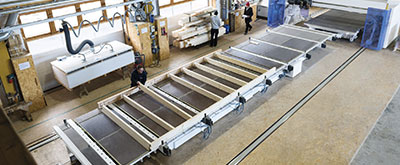
Industrialized construction is evolving. Automation, robotics and advanced technology are raising the level of productivity, efficiency and precision for builders in North America.
-
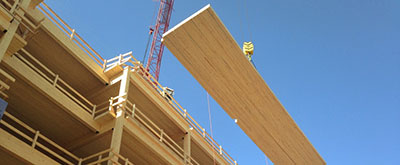
Stiles Machinery is at the forefront of providing technology and machining for producing high quality mass timber. Automated solutions for your mass timber production can increase your manufacturing quality and productivity.
-

Project management services from Stiles make it easy to streamline your entire project— from concept and consultation to integration and implementation.
-

-
-
-
-
-
-
With a customized Stiles University course, we can provide expert training for your team, on-location. Whether it's programming, operation or maintenance, we want to help you train your personnel to meet your production goals efficiently and effectively.
-
Experience the trusted workforce development training and machinery knowledge you rely on from Stiles University, now at your convenience. With technology changing every day and new methods being developed constantly, Stiles University Online has the latest information and training content available at your fingertips.
-
-
-
Do you want to produce more efficiently? Processes and flows are key. We optimize these together with you, re-organize them and make sure that you reduce your lead time and save costs. This enables you to implement customized manufacturing and achieve your business goals.
-
Industrialized construction is evolving. Automation, robotics and advanced technology are raising the level of productivity, efficiency and precision for builders in North America.
-
Stiles Machinery is at the forefront of providing technology and machining for producing high quality mass timber. Automated solutions for your mass timber production can increase your manufacturing quality and productivity.
-
Project management services from Stiles make it easy to streamline your entire project— from concept and consultation to integration and implementation.
-
What Are the Best Unique Window Types for 2026?
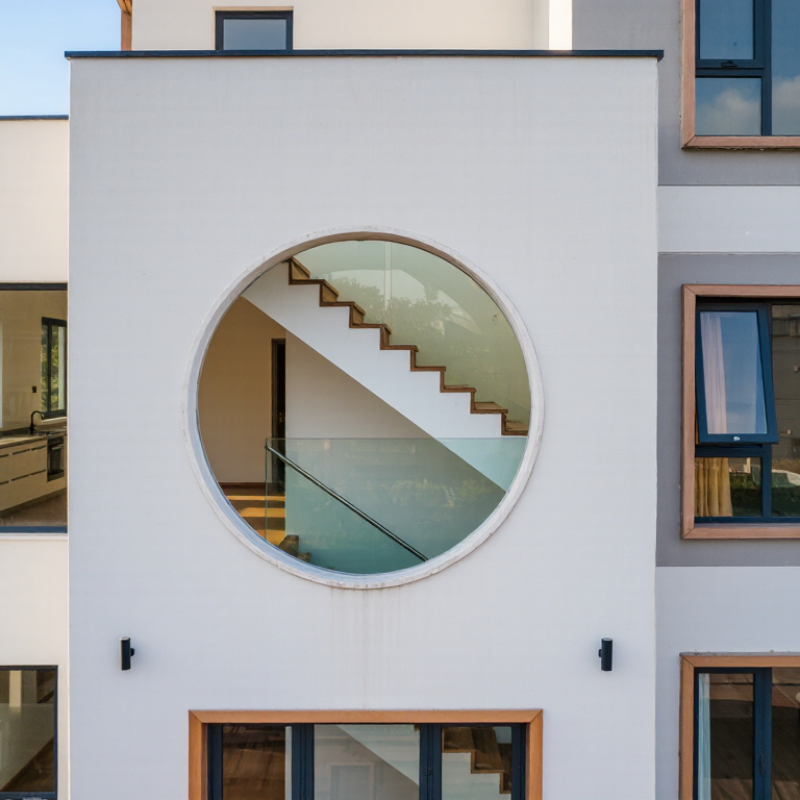
Unique Windows are moving beyond decoration in 2026. Homeowners are choosing shapes and opening styles that bring daylight deeper into rooms, frame specific views, and suit how each space is used. Think of a slim corner window beside a kitchen counter, a round accent window in a stairwell, or a tilt-and-turn sash that opens for a controlled breeze. These details can feel striking, but performance matters as much as appearance.
The U.S. Department of Energy estimates that heat gain and heat loss through windows account for 25%–30% of residential heating and cooling energy use. That figure makes glazing, frame material, orientation, and installation worth comparing—not just the silhouette. The National Fenestration Rating Council’s ratings can help buyers assess energy performance across products. A dramatic window can still be the wrong fit if it creates glare, leaks air, or complicates cleaning. Small details count.
Lawrence Berkeley National Laboratory building scientist Dariush Arasteh has contributed to research on window performance and efficiency. A practical takeaway from that work is clear: design choices should be judged alongside measured performance. This introduction uses that principle, rather than treating style as proof of quality. No single window type suits every home; climate, room layout, and budget change the answer. The best Unique Windows for 2026 balance character with comfort—and sometimes the most beautiful option needs a second look.
Defining Unique Window Types: Operation, Shape, Placement, and Purpose
Unique windows are defined by more than an unusual outline. Their operating method, shape, placement, and purpose all matter. A casement window swings outward on side hinges, while an awning window opens from the bottom. Both can direct breezes into a room, but their openings need clearance from paths, plants, and furniture. Small detail. Big difference.
Shape changes daylight and sightlines. A round window can brighten a stair landing, though it may offer limited ventilation. Clerestory windows sit high on a wall, bringing daylight deeper into a room while preserving privacy below. Placement should respond to the sun, local climate, and the view—not just a sketch. The U.S. Department of Energy reports that heat gain and loss through windows account for about 25–30% of residential heating and cooling energy use. That figure makes orientation and glazing worth careful review, especially on large, exposed openings.
Purpose helps narrow the choices. A fixed picture window frames a garden but does not open; pairing it with an operable window can provide airflow. For bedrooms, consider reach, cleaning access, and emergency egress requirements, which vary by location. Awkward to reach? That matters. DOE guidance on energy-efficient windows recommends considering climate, orientation, and window performance when selecting products. One honest caveat: an unusual shape can complicate shading and replacement, so the most striking option is not always the most practical.
What Are the Best Unique Window Types for 2026? — Defining Unique Window Types: Operation, Shape, Placement, and Purpose
| Window Type | Operation | Shape and Placement | Best-Suited Purpose | Key Consideration |
|---|---|---|---|---|
| Awning | Hinged at the top and opens outward, usually with a crank. | Commonly rectangular; often positioned above doors, sinks, or other windows. | Ventilation during light rain and airflow in compact spaces. | Projects outward, so allow clearance from walkways and nearby structures. |
| Hopper | Hinged at the bottom and tilts inward from the top. | Usually a small rectangle placed high on a wall or in a basement. | Ventilation and daylight where privacy or limited wall space matters. | Its inward swing needs clear space inside the room. |
| Tilt-and-Turn | Tilts inward at the top for ventilation or swings inward from side hinges for access and cleaning. | Typically a tall rectangle used in bedrooms, living areas, or upper floors. | Flexible ventilation, convenient cleaning, and controlled opening. | Requires interior clearance; hardware and installation need careful adjustment. |
| Clerestory | Fixed or operable; operable versions may use awning or hopper mechanisms. | A horizontal band of windows set high on a wall, often near the roofline. | Bringing daylight deeper into a room while preserving wall space and privacy. | High placement can make manual operation difficult without suitable hardware. |
| Corner | Usually fixed, or formed from adjoining operable units designed for the corner. | Glazing meets at an exterior building corner, sometimes with a minimal visible frame. | Broad views, increased daylight, and a strong connection to outdoor spaces. | Corner detailing affects structural support, weatherproofing, and energy performance. |
| Arched | Often fixed; some designs combine an operable rectangular section with a fixed arch. | Curved at the top and placed above doors, standard windows, or as a focal feature. | Adding architectural character and admitting daylight in a distinctive shape. | Custom shapes may increase fabrication costs and limit replacement options. |
| Round or Oval | Most commonly fixed, with specialty operable versions available. | Circular or elliptical; used in gables, stairwells, bathrooms, and feature walls. | Creating a focal point and adding daylight where a standard rectangle is unsuitable. | Fixed units provide no ventilation; verify glazing and framing specifications. |
| Skylight | Fixed or operable; opening models may be manually or electrically controlled. | Installed in a sloped roof and sized to suit the room below. | Daylighting interior rooms with limited exterior wall access. | Roof flashing, insulation, and condensation control are essential to reduce leak risk. |
| Roof Lantern | Usually fixed, though some designs incorporate opening roof vents. | A raised, glazed structure set into a flat or low-slope roof. | Filling large central spaces with overhead daylight and creating a visual focal point. | Requires careful design for solar heat gain, drainage, and roof load. |
| Glass Block | Typically fixed, with ventilation supplied by separate nearby windows or vents. | Built from translucent blocks in a wall, often in bathrooms or stairwells. | Soft, diffused daylight with greater visual privacy than clear glazing. | Does not usually provide an operable opening; block assemblies are relatively heavy. |