
-
-
-
-
-
-

With a customized Stiles University course, we can provide expert training for your team, on-location. Whether it's programming, operation or maintenance, we want to help you train your personnel to meet your production goals efficiently and effectively.
-

Experience the trusted workforce development training and machinery knowledge you rely on from Stiles University, now at your convenience. With technology changing every day and new methods being developed constantly, Stiles University Online has the latest information and training content available at your fingertips.
-
-
-

Do you want to produce more efficiently? Processes and flows are key. We optimize these together with you, re-organize them and make sure that you reduce your lead time and save costs. This enables you to implement customized manufacturing and achieve your business goals.
-
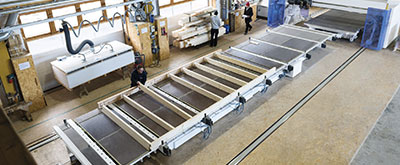
Industrialized construction is evolving. Automation, robotics and advanced technology are raising the level of productivity, efficiency and precision for builders in North America.
-
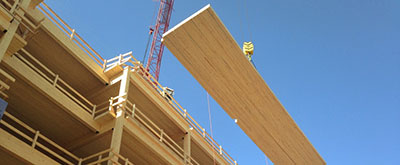
Stiles Machinery is at the forefront of providing technology and machining for producing high quality mass timber. Automated solutions for your mass timber production can increase your manufacturing quality and productivity.
-

Project management services from Stiles make it easy to streamline your entire project— from concept and consultation to integration and implementation.
-


-
-
-
-
-
-
With a customized Stiles University course, we can provide expert training for your team, on-location. Whether it's programming, operation or maintenance, we want to help you train your personnel to meet your production goals efficiently and effectively.
-
Experience the trusted workforce development training and machinery knowledge you rely on from Stiles University, now at your convenience. With technology changing every day and new methods being developed constantly, Stiles University Online has the latest information and training content available at your fingertips.
-
-
-
Do you want to produce more efficiently? Processes and flows are key. We optimize these together with you, re-organize them and make sure that you reduce your lead time and save costs. This enables you to implement customized manufacturing and achieve your business goals.
-
Industrialized construction is evolving. Automation, robotics and advanced technology are raising the level of productivity, efficiency and precision for builders in North America.
-
Stiles Machinery is at the forefront of providing technology and machining for producing high quality mass timber. Automated solutions for your mass timber production can increase your manufacturing quality and productivity.
-
Project management services from Stiles make it easy to streamline your entire project— from concept and consultation to integration and implementation.
-
10 Best Sliding Table Saws for Global Buyers?
Choosing the right sliding table saw is not simply a matter of motor power or cutting length. Global buyers face different workshops, currencies, electrical standards, service networks, and safety expectations.
Market research indicates continued demand for woodworking machinery. Grand View Research identifies automation, production efficiency, and rising furniture manufacturing as important market drivers. The Freedonia Group also highlights replacement demand and productivity improvements across woodworking equipment. However, broad market reports rarely explain how a saw behaves beside a real cutting bench.
That gap matters.
A serious comparison must examine table stability, scoring-unit adjustment, fence accuracy, dust extraction, braking systems, and after-sales support. ISO 19085-5 provides safety requirements for format and sliding table saws. Buyers should also compare local compliance obligations, because certification and installation rules differ between regions.
Gerhard Felder, CEO of the Felder Group, has stated, “Safety and precision must work together.” That principle should guide every purchase decision, although it is easier to repeat than to achieve. A stiff table can still be poorly aligned. A powerful motor cannot repair careless setup.
This guide reviews ten leading machines for international buyers. It considers professional workshops, cabinet factories, training facilities, and smaller production spaces. Each model is judged against practical conditions, including daily panel cutting, narrow-shop movement, dust-heavy environments, and access to replacement parts.
No ranking is perfect. Specifications change, and dealer support can vary sharply by country. Therefore, the best sliding table saw is not always the most expensive one. It is the machine that delivers repeatable cuts, dependable protection, and realistic long-term support.
What Is a Sliding Table Saw and How Does It Work?
What Is a Sliding Table Saw and How Does It Work?
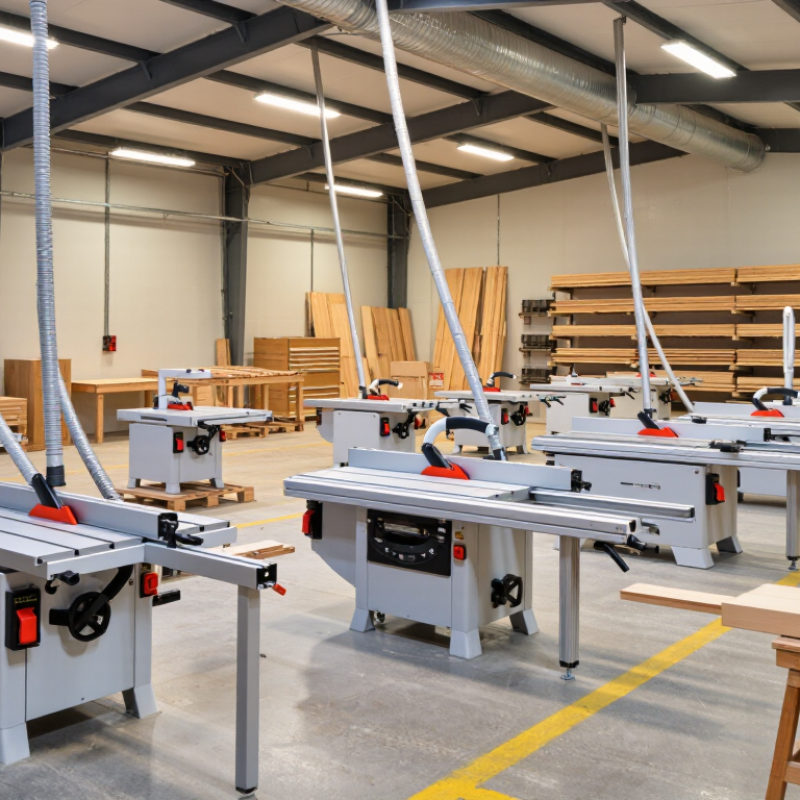
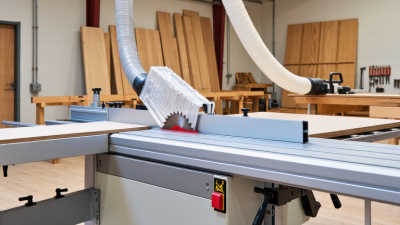
A sliding table saw combines a fixed circular blade with a moving support table. The operator places the panel on the table, then pushes it smoothly past the blade. This motion keeps the workpiece aligned during crosscuts, miters, and repeated sizing. A rip fence controls long, straight cuts. Many machines also include a scoring blade beneath the panel surface. It makes a shallow preliminary cut, reducing tear-out on coated boards.
The mechanism looks simple, but accuracy depends on several contact points. The sliding carriage must travel without side play. The fence must remain parallel to the blade. The blade height should extend only slightly above the material. In practical workshop checks, even a small carriage misalignment can create a visible gap across a cabinet panel. That detail is easy to underestimate.
Market data supports the machine’s wider industrial role. Grand View Research estimated the global woodworking machinery market at about USD 4.7 billion in 2023, with continued growth forecast through 2030. The report does not measure sliding table saws alone, so applying the figure directly would be misleading. A separate 2023 MarketsandMarkets assessment projected the woodworking machinery market to grow from roughly USD 4.7 billion in 2023 to USD 6.2 billion by 2028. These figures suggest sustained demand, not automatic cutting accuracy. Operators still need measured setup, suitable blades, dust extraction, and disciplined hand positioning. The process is mechanical. The judgment remains human.
Related Posts
-
Top 10 Best Sliding Table Saws for Global Buyers?
-

Why You Should Consider a CNC Router for Your Next Project
-
Best 5 Wood CNC Machines for Your DIY Projects?
-
2026 Top Woodworking CNC Machines: Features, Benefits, and Buying Guide
-
Top 5 CNC Router Kits for Precision Crafting and DIY Projects
-

Top Panel Saw Options for Global Buyers in 2026?