
-
-
-
-
-
-

With a customized Stiles University course, we can provide expert training for your team, on-location. Whether it's programming, operation or maintenance, we want to help you train your personnel to meet your production goals efficiently and effectively.
-

Experience the trusted workforce development training and machinery knowledge you rely on from Stiles University, now at your convenience. With technology changing every day and new methods being developed constantly, Stiles University Online has the latest information and training content available at your fingertips.
-
-
-

Do you want to produce more efficiently? Processes and flows are key. We optimize these together with you, re-organize them and make sure that you reduce your lead time and save costs. This enables you to implement customized manufacturing and achieve your business goals.
-
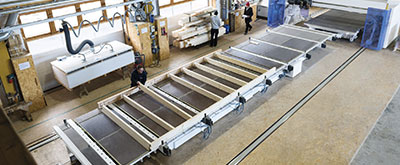
Industrialized construction is evolving. Automation, robotics and advanced technology are raising the level of productivity, efficiency and precision for builders in North America.
-
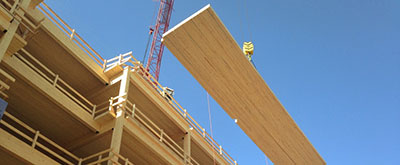
Stiles Machinery is at the forefront of providing technology and machining for producing high quality mass timber. Automated solutions for your mass timber production can increase your manufacturing quality and productivity.
-

Project management services from Stiles make it easy to streamline your entire project— from concept and consultation to integration and implementation.
-


-
-
-
-
-
-
With a customized Stiles University course, we can provide expert training for your team, on-location. Whether it's programming, operation or maintenance, we want to help you train your personnel to meet your production goals efficiently and effectively.
-
Experience the trusted workforce development training and machinery knowledge you rely on from Stiles University, now at your convenience. With technology changing every day and new methods being developed constantly, Stiles University Online has the latest information and training content available at your fingertips.
-
-
-
Do you want to produce more efficiently? Processes and flows are key. We optimize these together with you, re-organize them and make sure that you reduce your lead time and save costs. This enables you to implement customized manufacturing and achieve your business goals.
-
Industrialized construction is evolving. Automation, robotics and advanced technology are raising the level of productivity, efficiency and precision for builders in North America.
-
Stiles Machinery is at the forefront of providing technology and machining for producing high quality mass timber. Automated solutions for your mass timber production can increase your manufacturing quality and productivity.
-
Project management services from Stiles make it easy to streamline your entire project— from concept and consultation to integration and implementation.
-
Top 10 Benefits of Using a Wood CNC Machine for Your Projects?
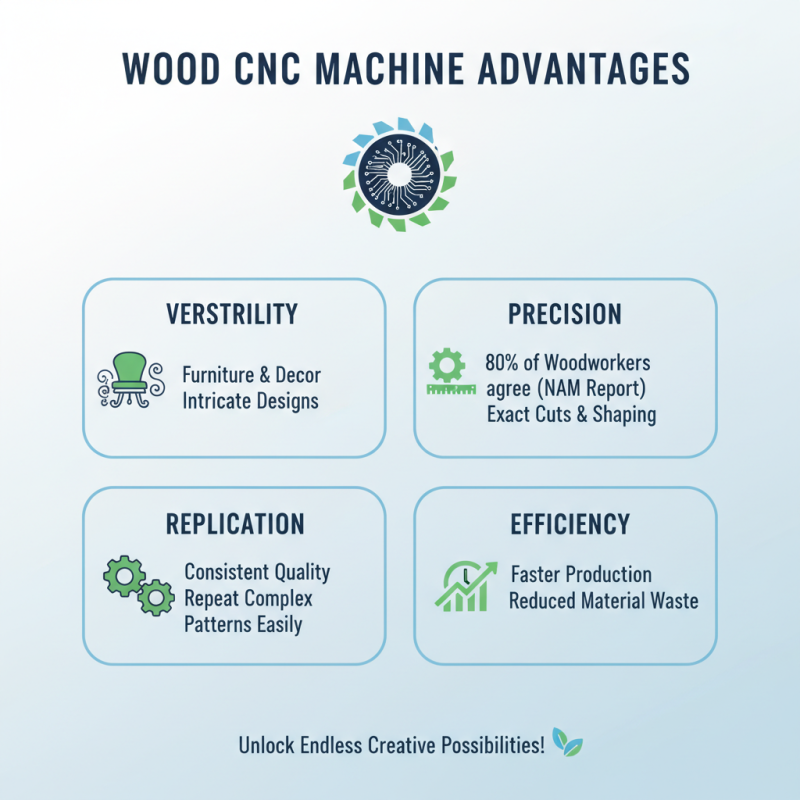
The rise of technology has transformed woodworking. A wood CNC machine stands at the forefront of this evolution. According to a recent industry report, the global CNC machine market is projected to reach $100 billion by 2025. This signifies a growing demand for precision and efficiency in woodworking.
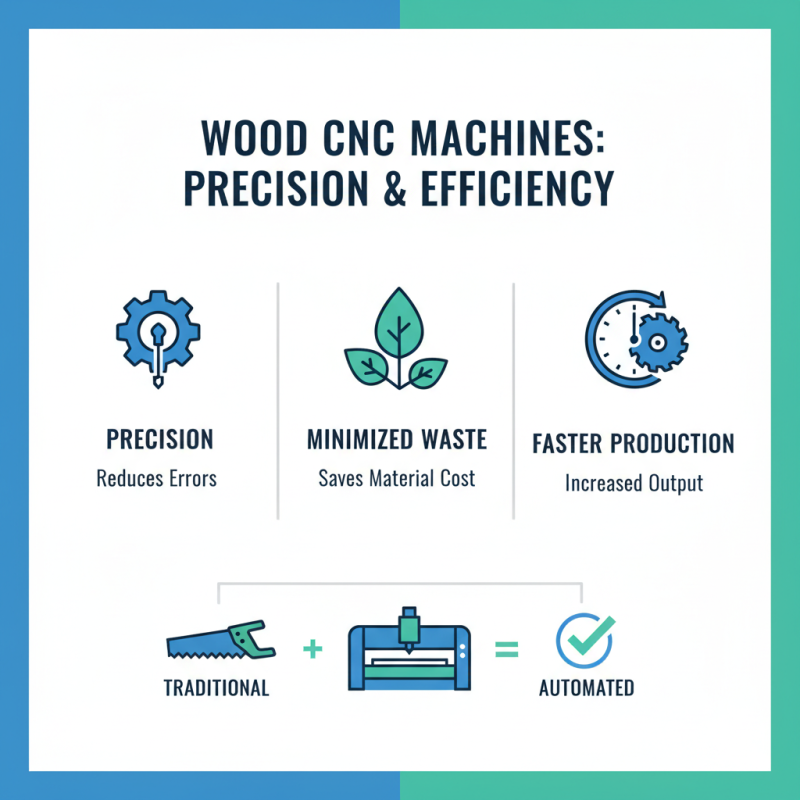
A wood CNC machine can automate complex designs and reduce production time. This increases productivity, which is critical for businesses. An impressive 70% of companies that have adopted CNC technology reported improved efficiency. However, the initial investment can be daunting for small businesses. It’s essential to evaluate the long-term benefits against short-term costs.
Many craftsmen are exploring this technology but face a learning curve. Embracing the wood CNC machine can lead to dazzling designs. Yet, without proper training, mistakes can happen. Balancing creativity with technology is key to unlocking its full potential.
Advantages of Precision in Woodworking with CNC Machines
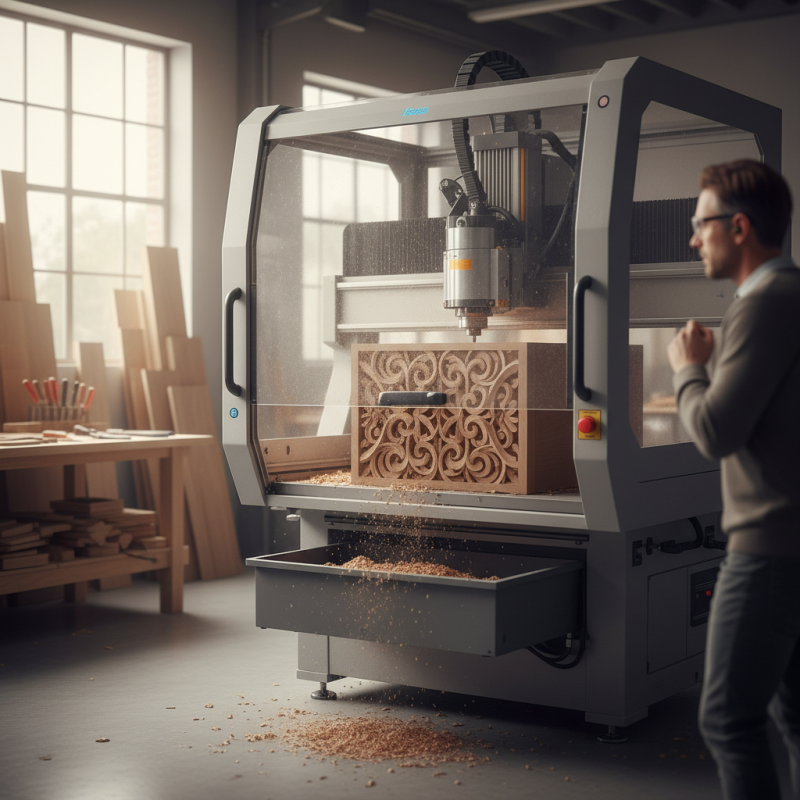
Precision in woodworking has fundamentally evolved with the advent of CNC machines. Data from industry reports indicate that CNC technology can achieve accuracy levels of up to 0.001 inches. This precision elevates the quality of wood projects. Complex designs that once took days to cut by hand can now be completed in hours. It reduces human error and material waste significantly.
Crafting intricate patterns or custom designs is straightforward with CNC machines. A study noted that businesses using CNC equipment saw a 30% increase in production efficiency. However, reliance on this technology may induce a lack of hands-on experience for new woodworkers. The beauty of imperfection in handmade items is sometimes lost. Workers might rely too heavily on machines and miss learning traditional skills.
Even with these cons, the benefits of precision cannot be ignored. CNC machines enable seamless integration of design and execution. Projects can be replicated easily and with consistency, which is advantageous for scaling production. Yet, the risk of becoming overly dependent on machines is present, making it vital to strike a balance. Incorporating both techniques could yield the best results in woodworking.
Related Posts
-
Unlocking the Potential of Wood CNC Machines for Your Next Creative Project
-
2026 Top Woodworking CNC Machines: Features, Benefits, and Buying Guide
-
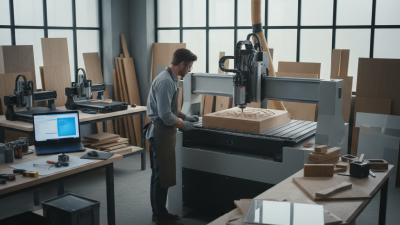
How to Choose the Best CNC Router Machine for Your Projects
-

The Ultimate Guide to Choosing the Perfect Sanding Machine for Your DIY Projects
-

Unlocking Creativity: How CNC Wood Cutting Machines Transform Custom Furniture Design
-
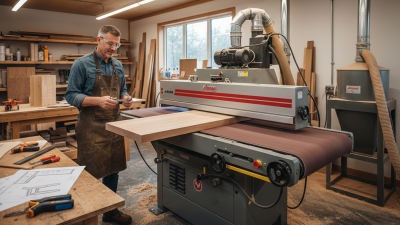
How to Choose the Best Wide Belt Sander for Your Woodworking Projects